
The Legacy of Fu Jow Pai
Fu Jow Pai, also known as the Black Tiger System, traces its origins to the martial traditions associated with the Shaolin Temple in Fukien Province during the late seventeenth century. Following the destruction of the Shaolin Temple during the Qing dynasty, surviving monks and revolutionary societies preserved their martial knowledge in secrecy. Among the arts passed down during this period was Hark Fu Moon, the Black Tiger system.
The system was later preserved by Master Wong Bil Hong, who inherited the teachings from a monk at the Hoy Hong Temple. Before his passing in 1934, Wong Bil Hong entrusted the future of the system to his nephew and disciple Wong Moon Toy, renaming the art Fu Jow Pai of Hoy Hong Temple.
Wong Moon Toy later brought the system to the United States, where he quietly taught martial arts in New York City’s Chinatown. In 1957, he established the Chinese Youth Athletic Club, where he trained a small group of disciples while carefully preserving the teachings of Fu Jow Pai.
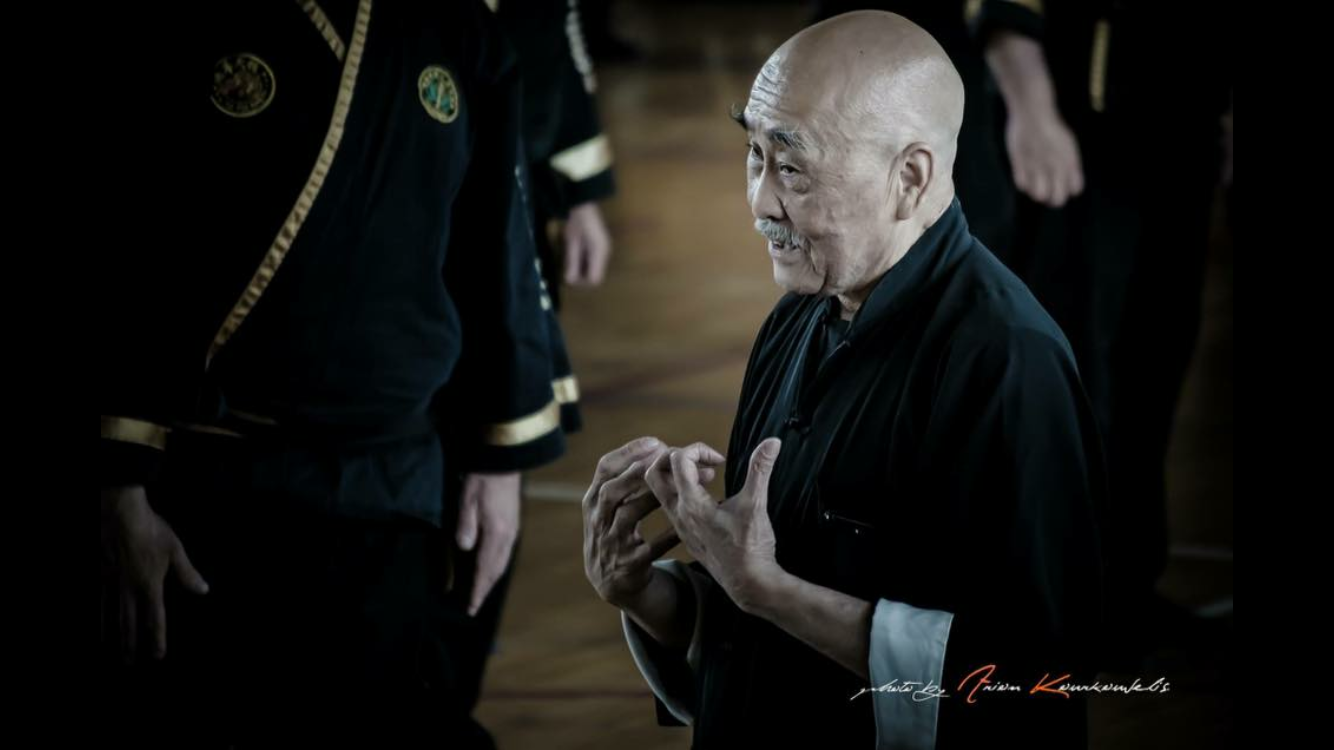
After Wong Moon Toy’s passing in 1960, leadership of the system was carried forward by his disciple Grandmaster Wai Hong, the third-generation successor of the Fu Jow Pai system.
Through decades of dedication to researching, preserving, promoting, and teaching the art, Grandmaster Wai Hong helped bring Fu Jow Pai from a closely guarded tradition into the public while maintaining the strict standards required for authentic training. His efforts helped spread the Tiger Claw system throughout the United States and internationally, earning him recognition as the father of modern-day Fu Jow Pai.
Today, Wai Hong’s Fu Jow Pai Tiger Claw Kung Fu continues to preserve this powerful martial tradition. Practitioners and schools around the world carry forward the teachings of Fu Jow Pai while maintaining the discipline, structure, and principles that define the system.